
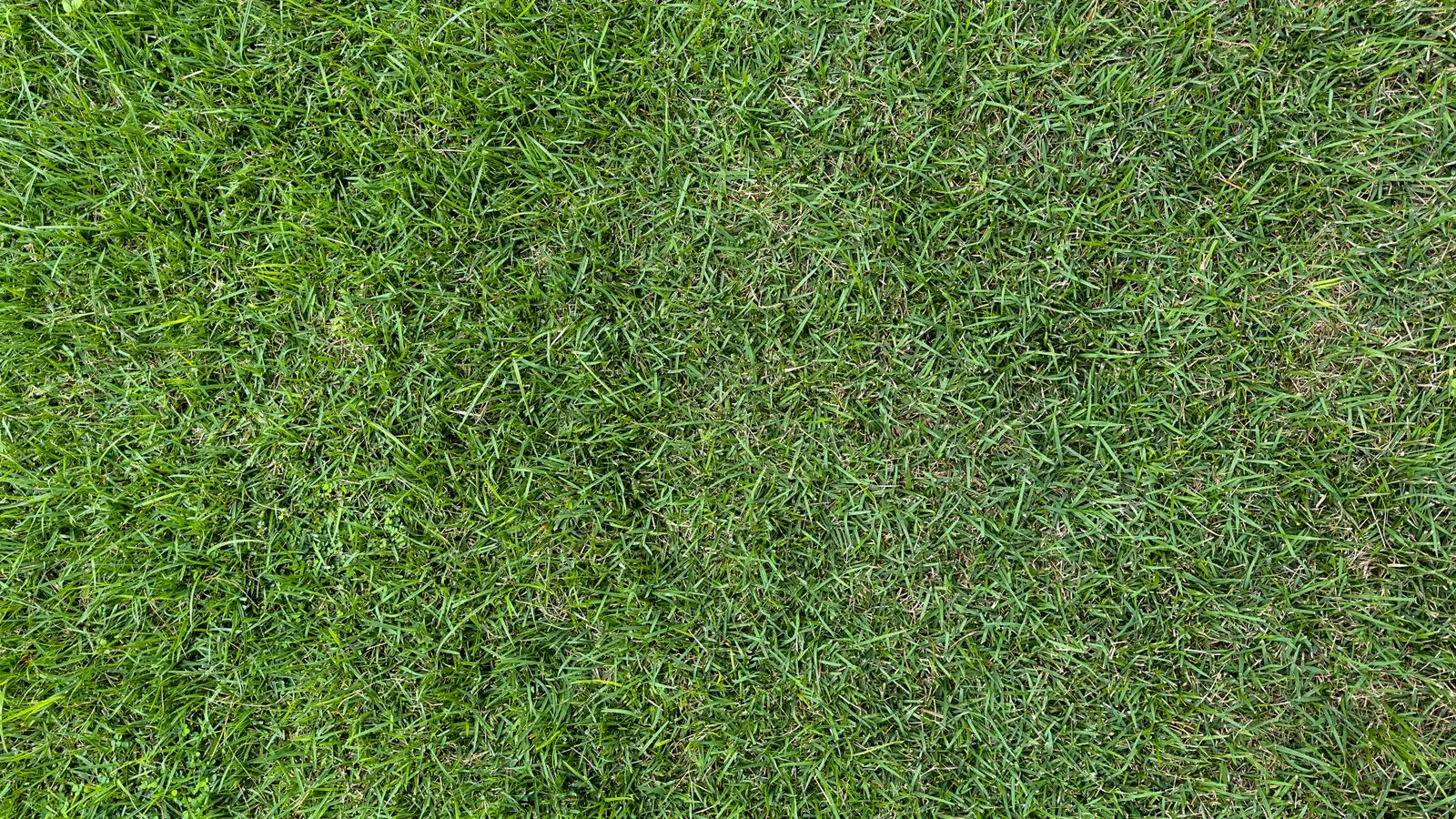
A layer of leaves, clippings, or loose debris can make a lawn look tired, but it does not always mean thatch has built up. Raking clears material from the surface; mechanical dethatching pulls excess thatch from between the soil and grass blades. Choosing the right method matters because aggressive removal can stress healthy turf. Check what is actually beneath the grass, consider the lawn’s condition, and match the work to the problem.
What Raking Can Do
A leaf or garden rake is suited to loose material on top of the lawn, such as fallen leaves, twigs, and clippings that have clumped together. Use light strokes and avoid digging the tines into the soil. This clears the surface while leaving most healthy grass undisturbed.
Light raking can also help lift matted grass after winter or spread out small patches of clippings. It will not remove a thick layer of thatch woven among the grass stems. If the surface material comes away easily and the soil is visible underneath, ordinary cleanup may be enough.
When Thatch Needs Attention
Thatch is a compact layer of living and dead stems, roots, and other plant material between the green grass and the soil. A thin layer can be normal. Excessive thatch may feel spongy underfoot, make it harder for water to reach the soil, or leave the lawn more vulnerable to drying and uneven growth.
To check, part the grass and inspect the layer between the soil and green blades. If it appears thick and springy, measure it rather than relying on appearance alone. Thatch depth is only one clue: also consider drainage, watering, mowing, and the grass type before deciding to dethatch.
How Mechanical Dethatching Differs
A mechanical dethatcher uses rotating blades or tines to loosen and pull thatch to the surface. It reaches deeper than a hand rake, so it can remove material that light surface work cannot. The process often leaves a noticeable amount of debris that must be collected, and the lawn may look temporarily thin or rough afterward.
Mechanical dethatching is not a routine substitute for raking. Used when it is unnecessary, too aggressively, or while grass is stressed, it can damage turf. If the thatch layer is modest or you are unsure what is causing poor growth, inspect the lawn and address basic care issues before using equipment.
Choose the Gentlest Effective Option
Choose light raking when you are clearing loose debris or gently lifting matted grass and the underlying thatch layer is not excessive. Work when the lawn is not waterlogged or brittle, and use enough pressure to move surface material without scraping the soil or tearing up healthy plants.
Consider mechanical dethatching when inspection confirms a substantial thatch layer and the grass is actively growing well enough to recover. Timing depends on the grass species and local growing conditions, so avoid treating the whole lawn by guesswork. For a large or uncertain problem, a lawn-care professional can assess the turf and recommend an appropriate method.
Raking handles debris on the lawn’s surface; mechanical dethatching targets a dense layer within the turf. Inspect before choosing, and use the least disruptive method that addresses the problem. If you are unsure whether your lawn has excess thatch, Wellington Lawn Care can help assess the lawn and discuss suitable next steps.